Advanced Ventilator Life Support (AVLS)
A Mechanical Ventilation Mastery Workshop for Emergency Medicine and Critical Care Transport Professionals

A learning experience on the art and science of mechanical ventilation, unlike anything you’ve experienced before.
The Advanced Ventilator Life Support (AVLS)™ is designed to enhance the knowledge and confidence of professionals caring for patients in the Emergency Department and during Critical Care Transport.
The course emphasizes strategies to prevent unnecessary intubation, the importance of early optimization of invasive mechanical ventilation, cross-disciplinary collaboration, prevention of ventilator-induced lung injury, and evidence-based efforts to improve patient outcomes.
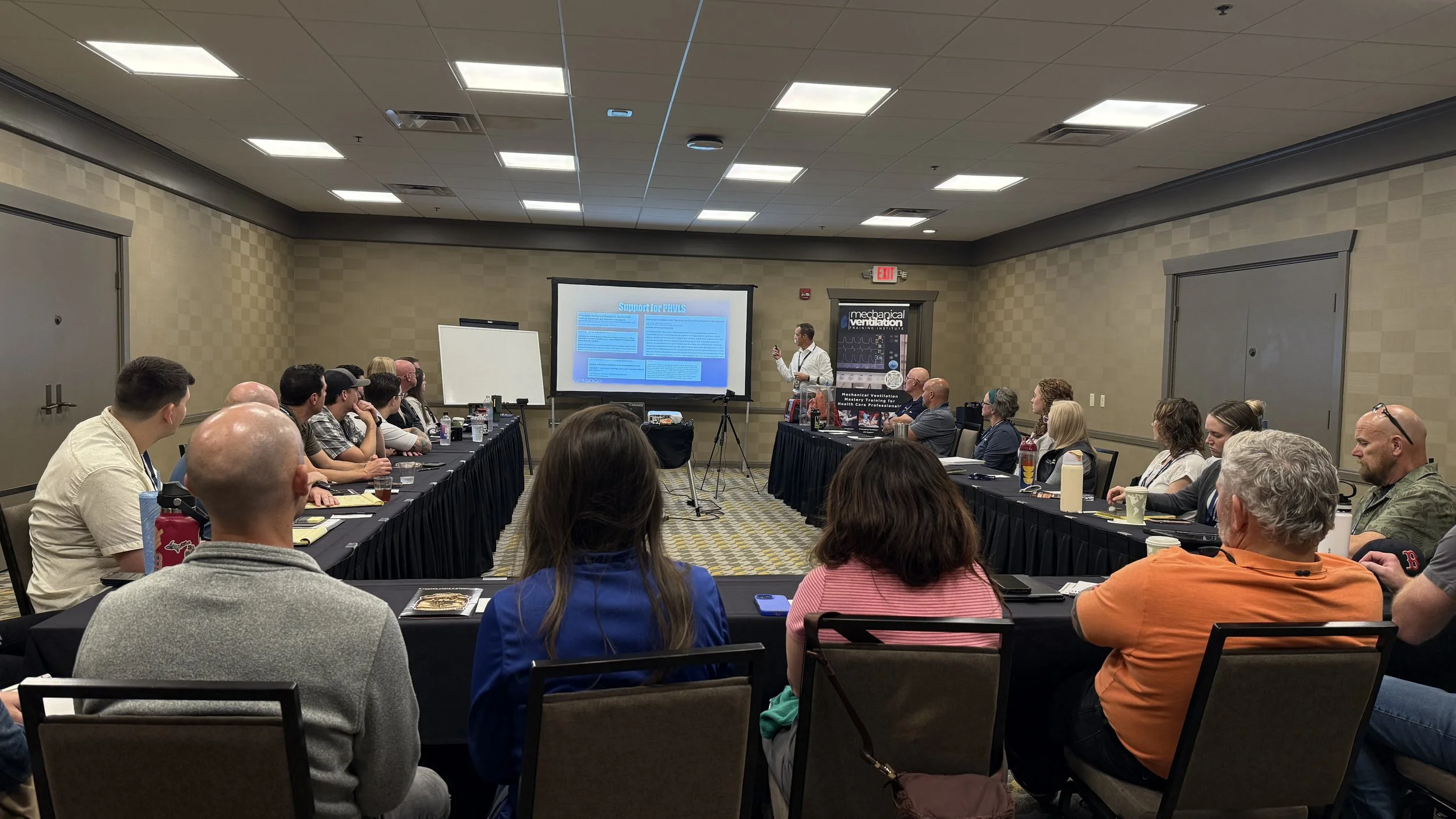
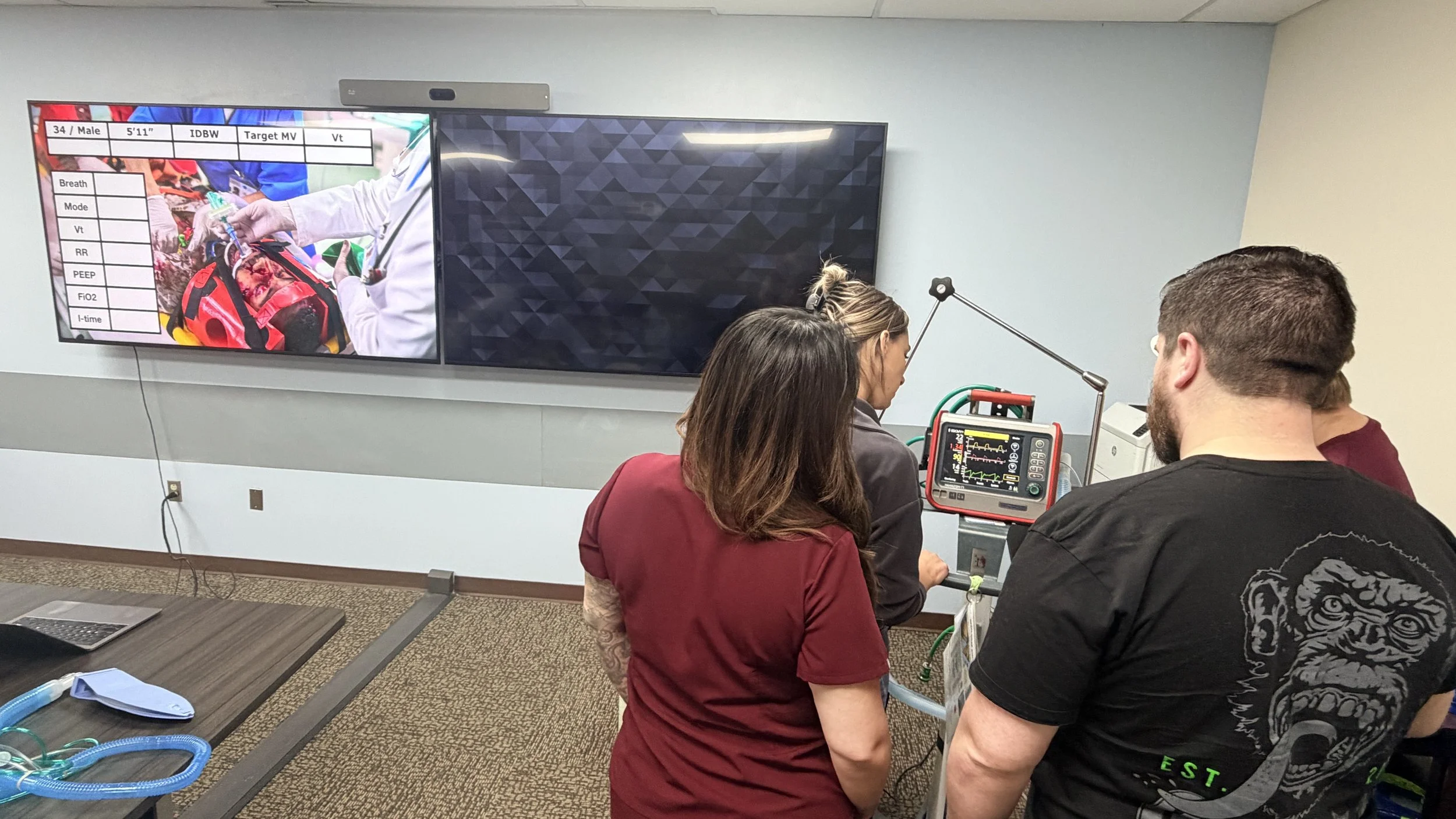
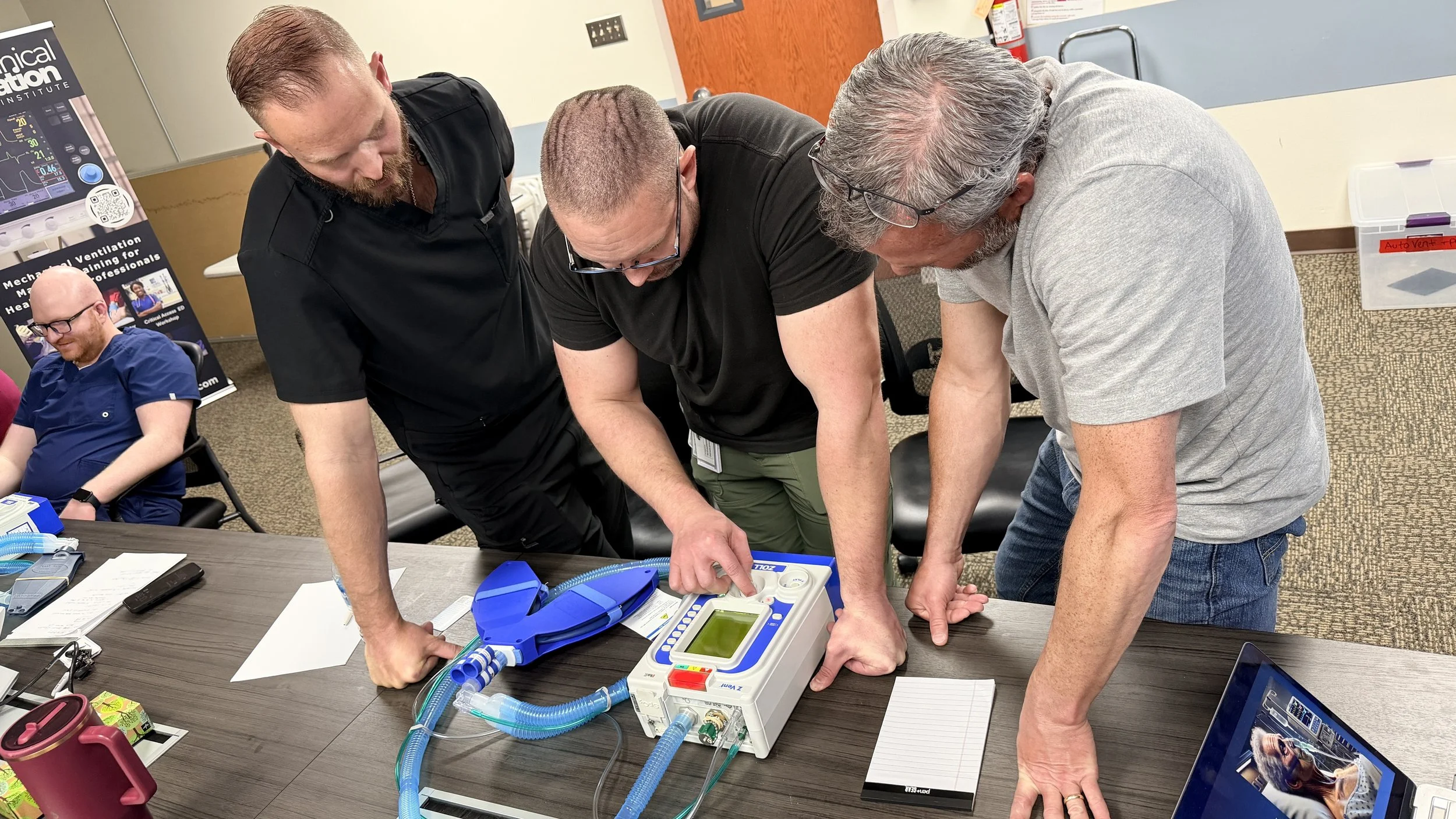
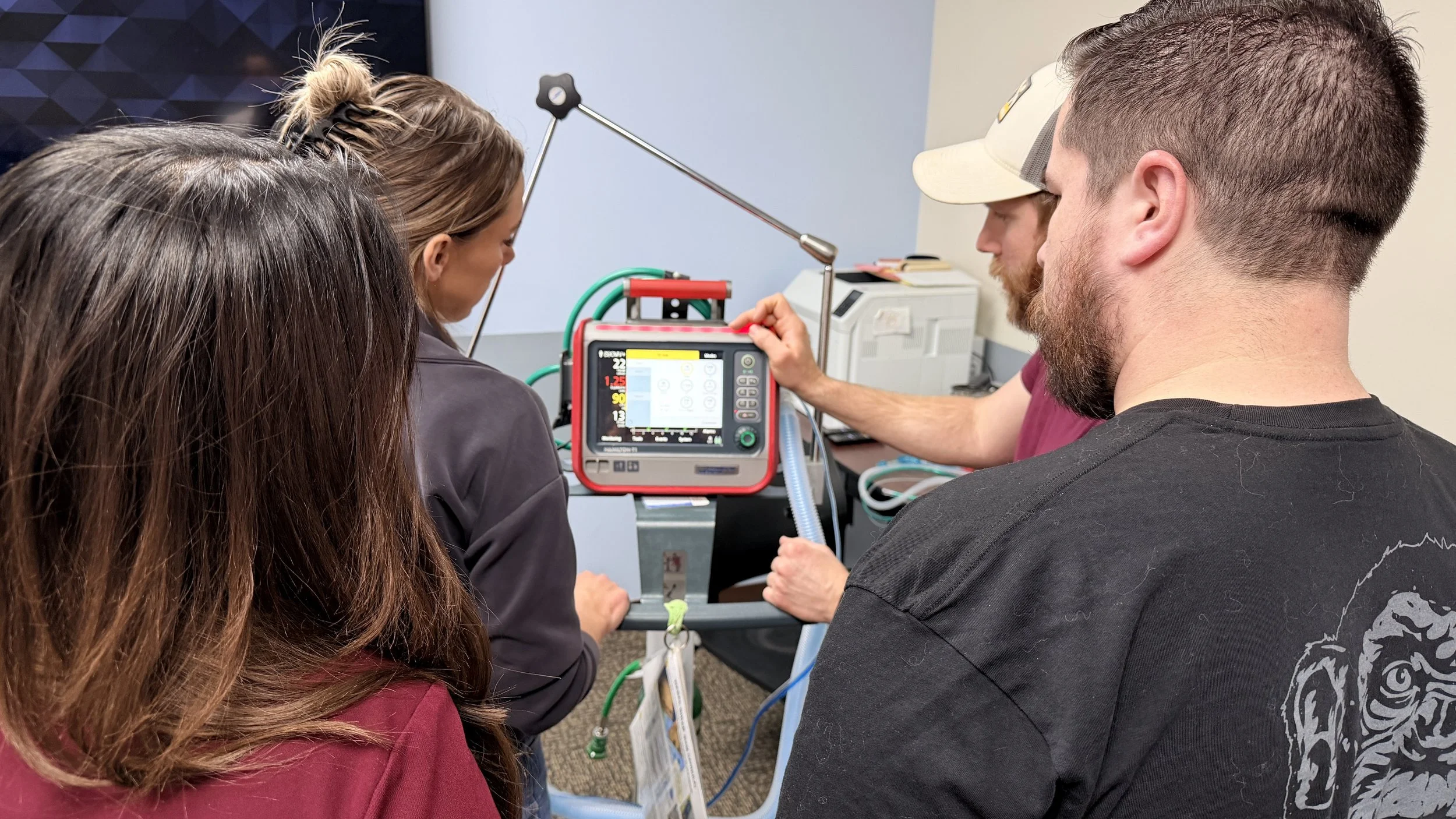
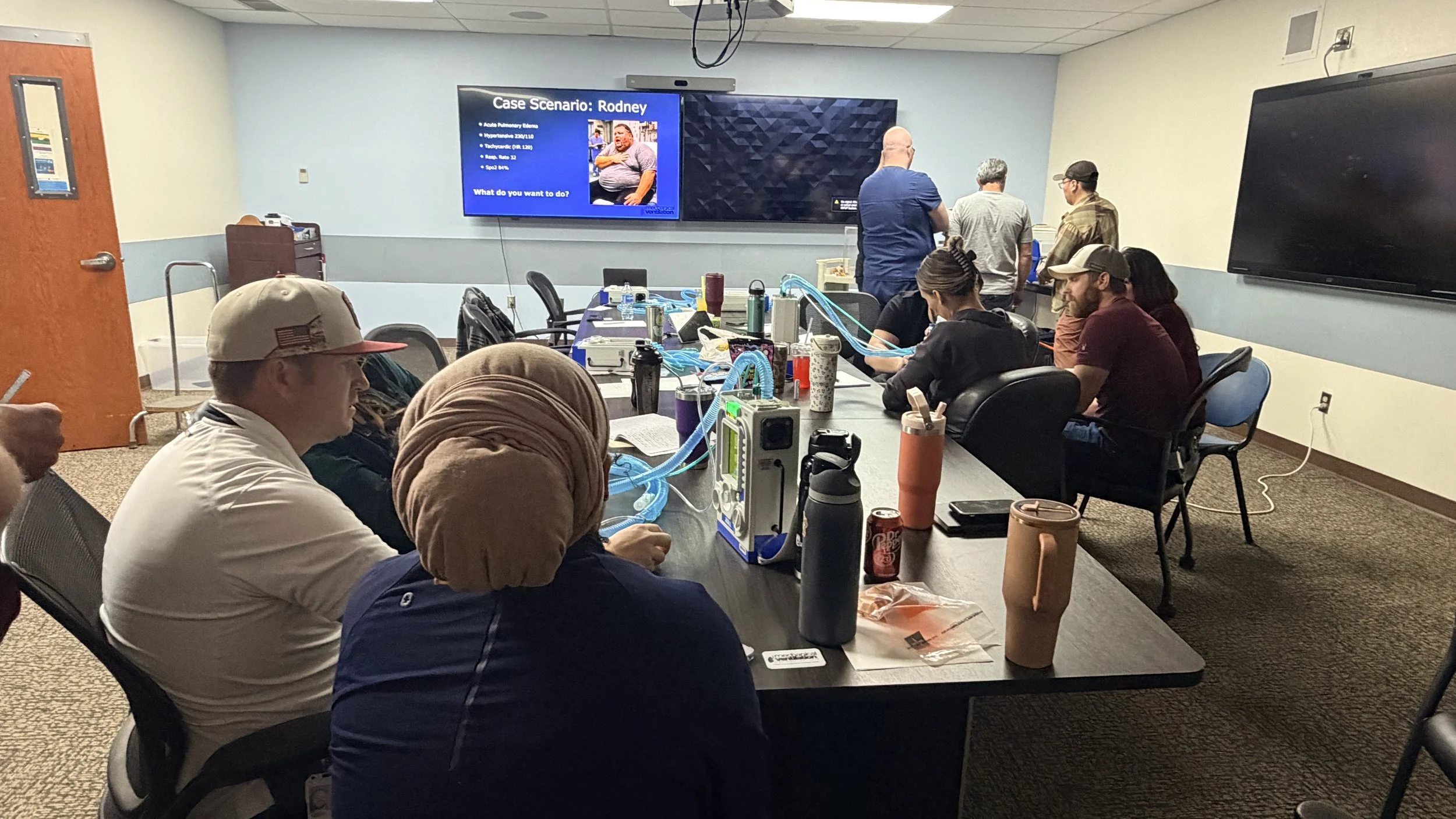
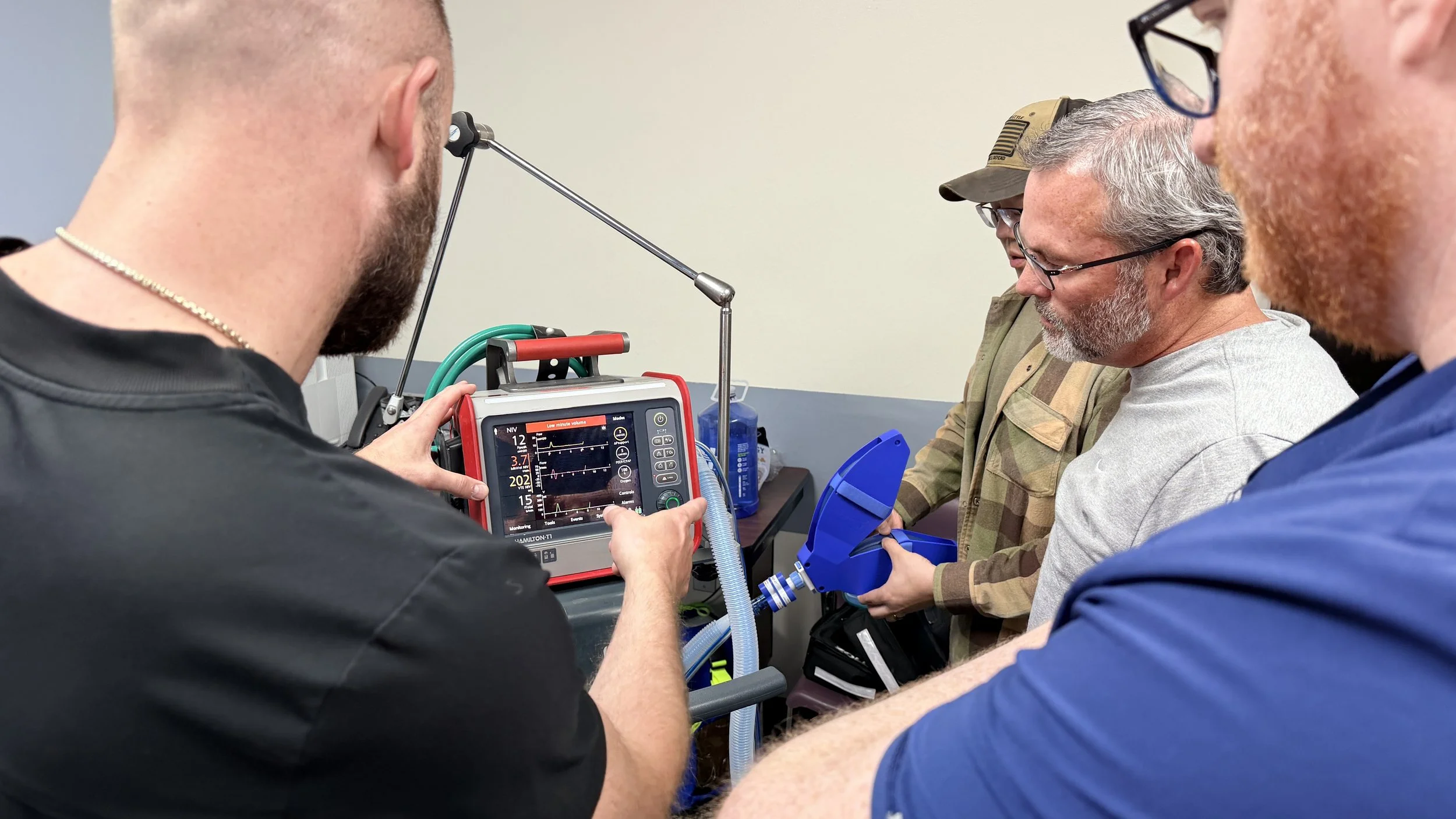
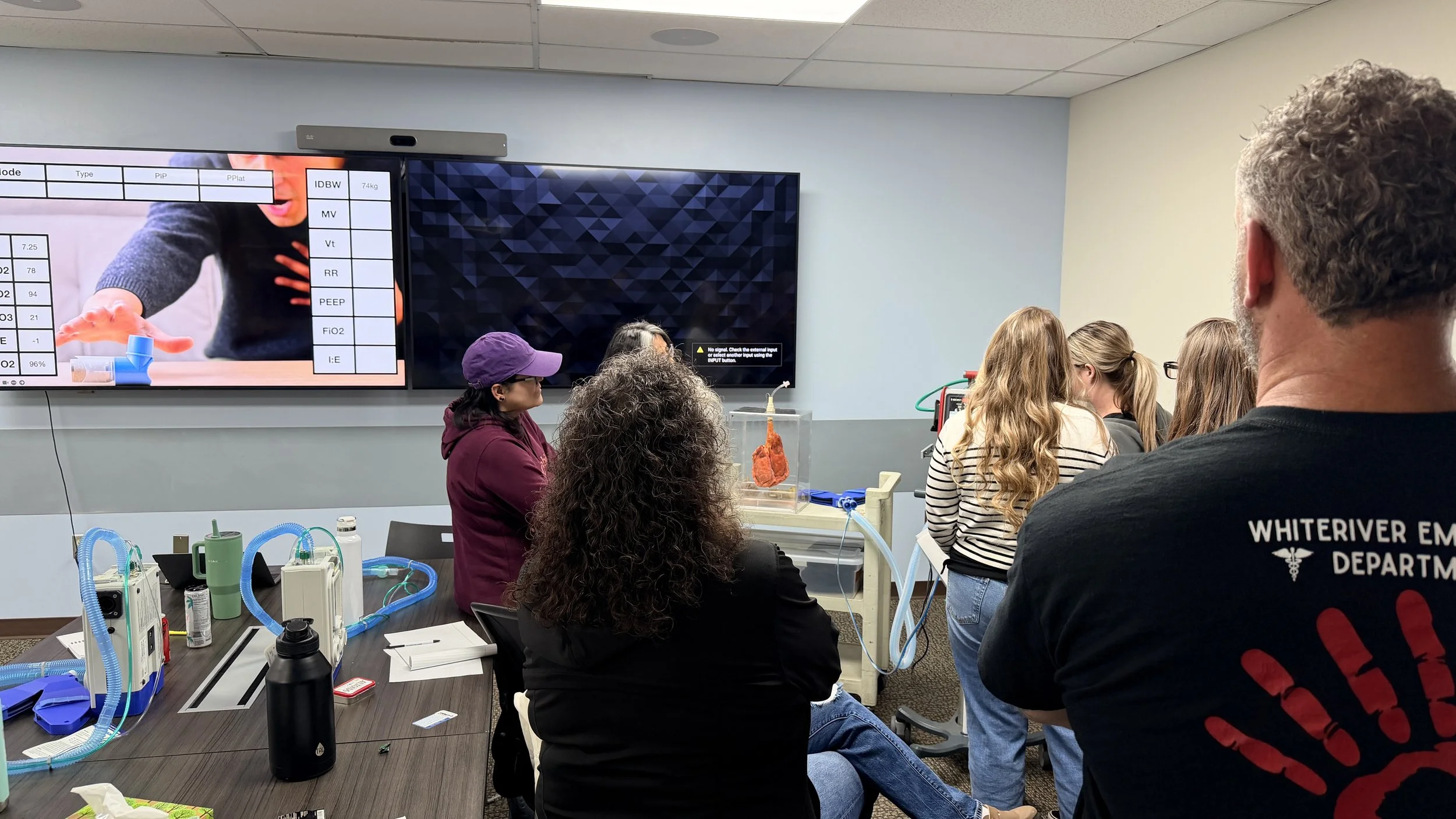
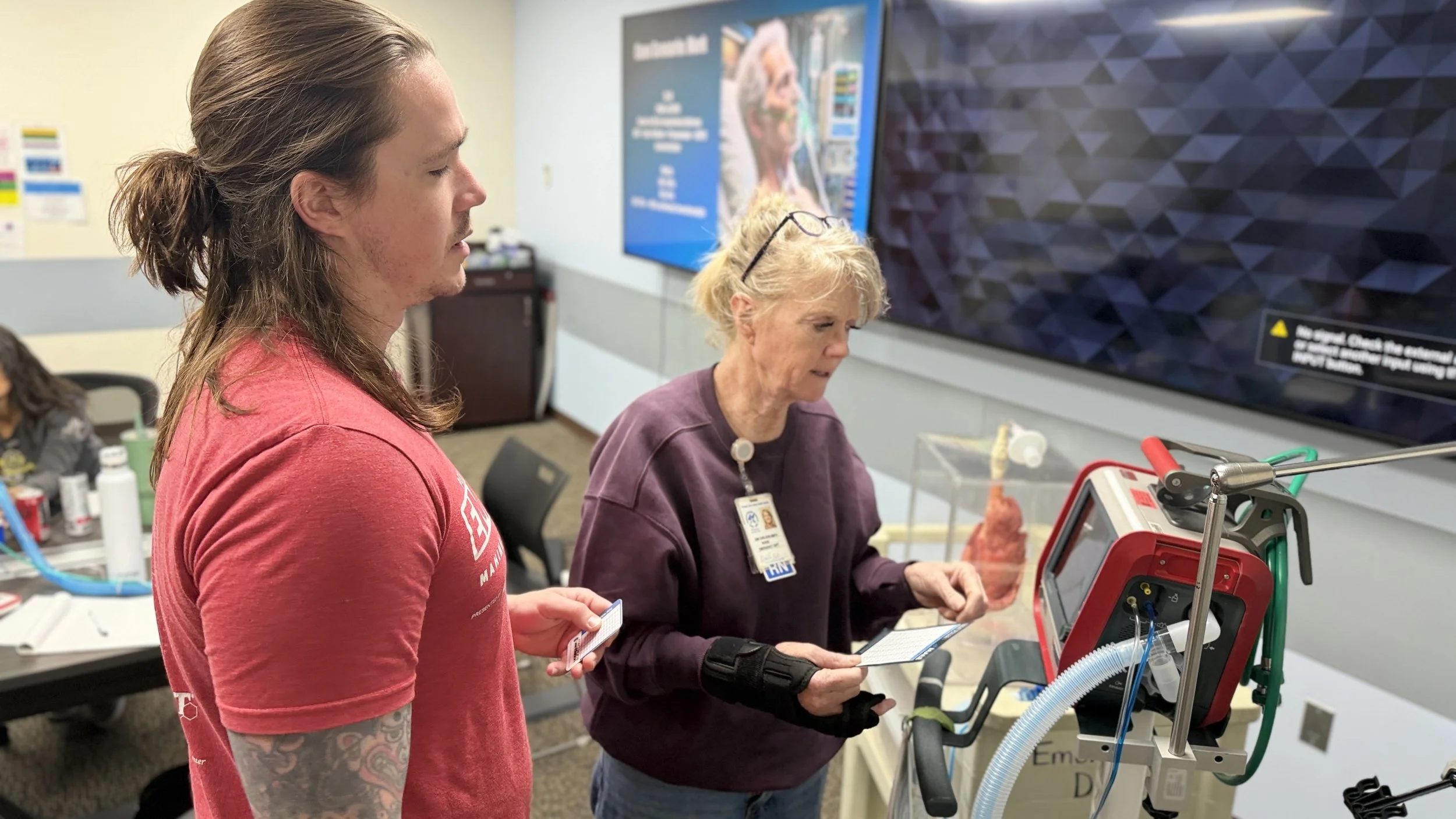
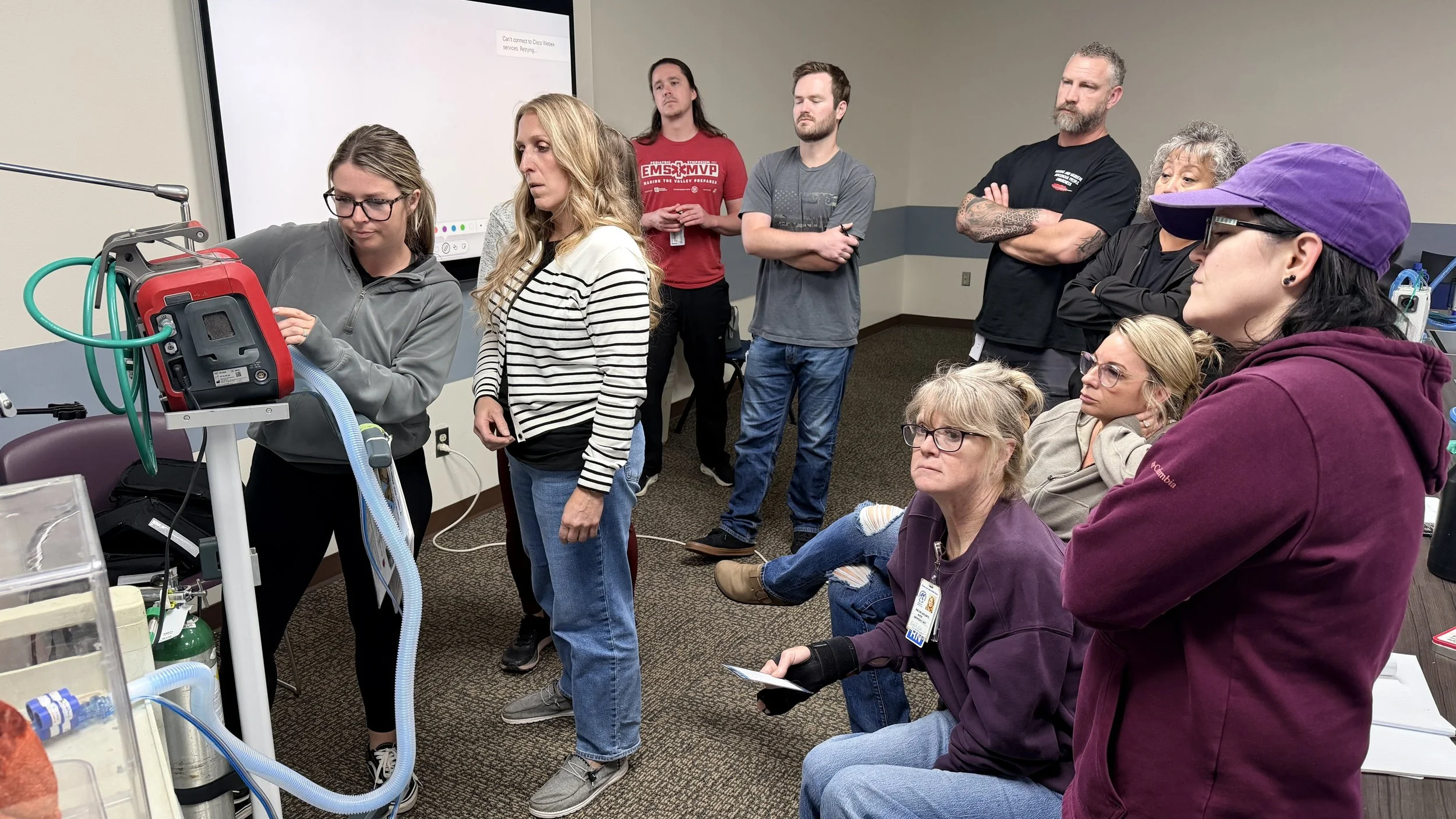
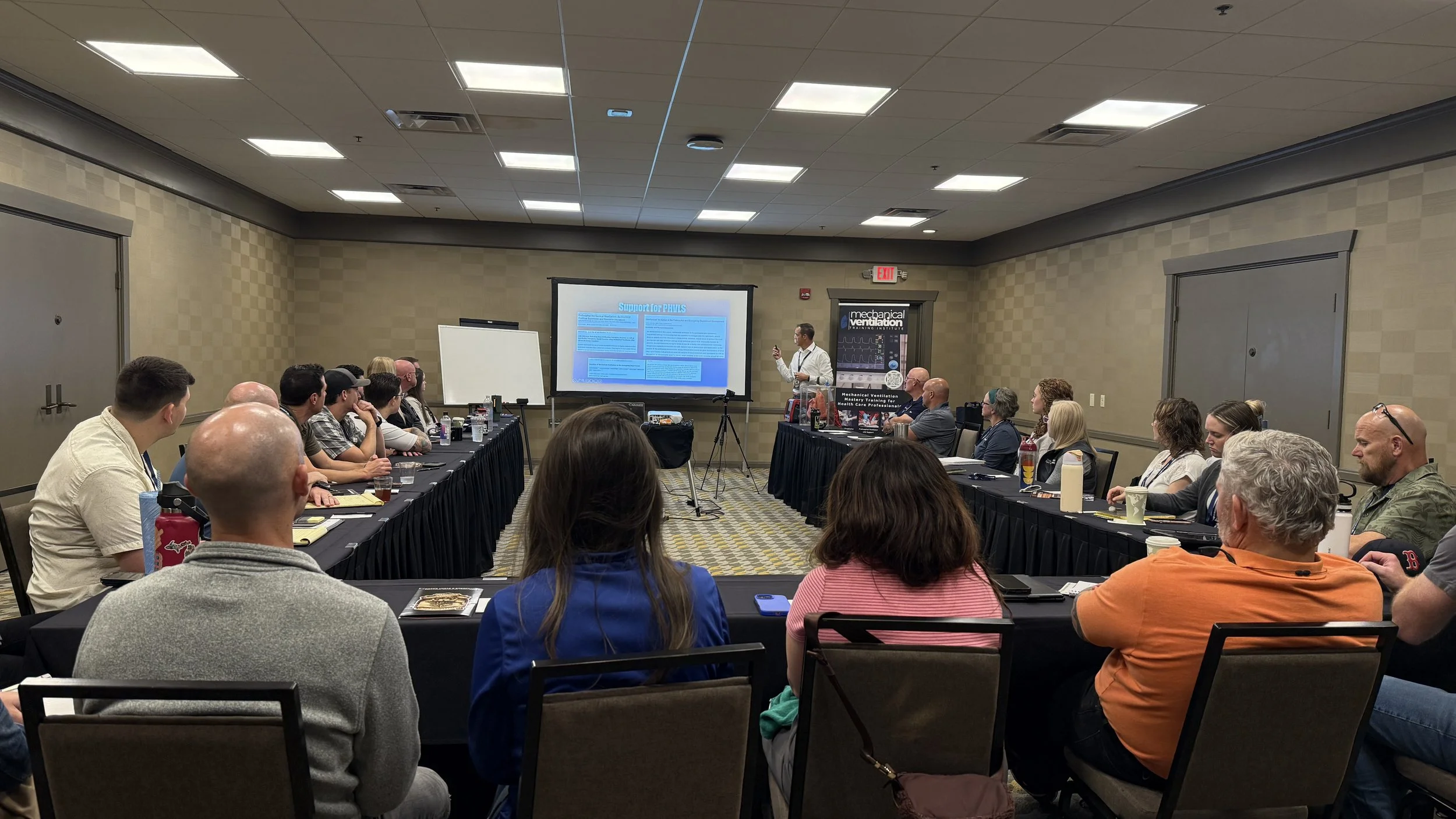
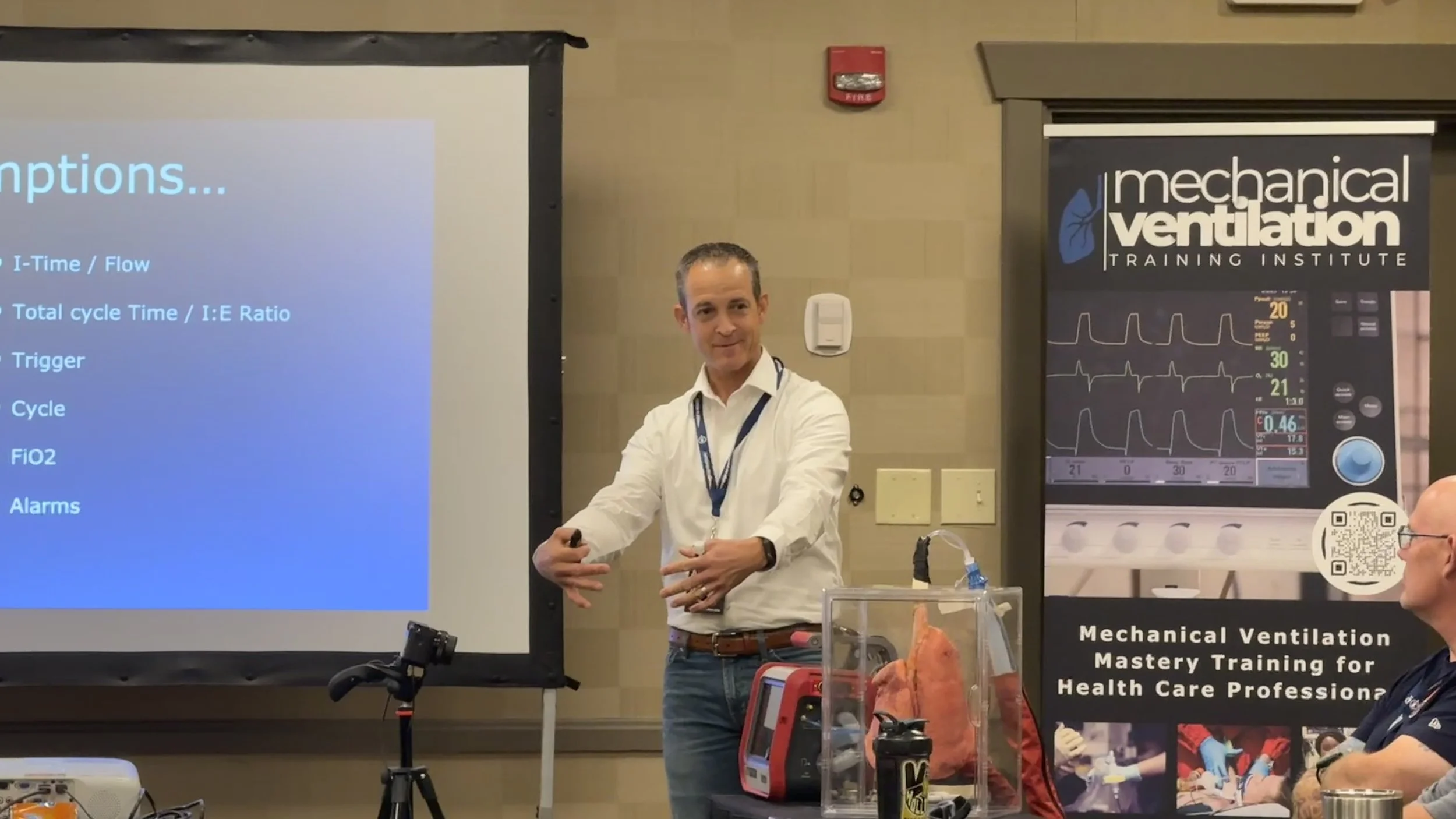
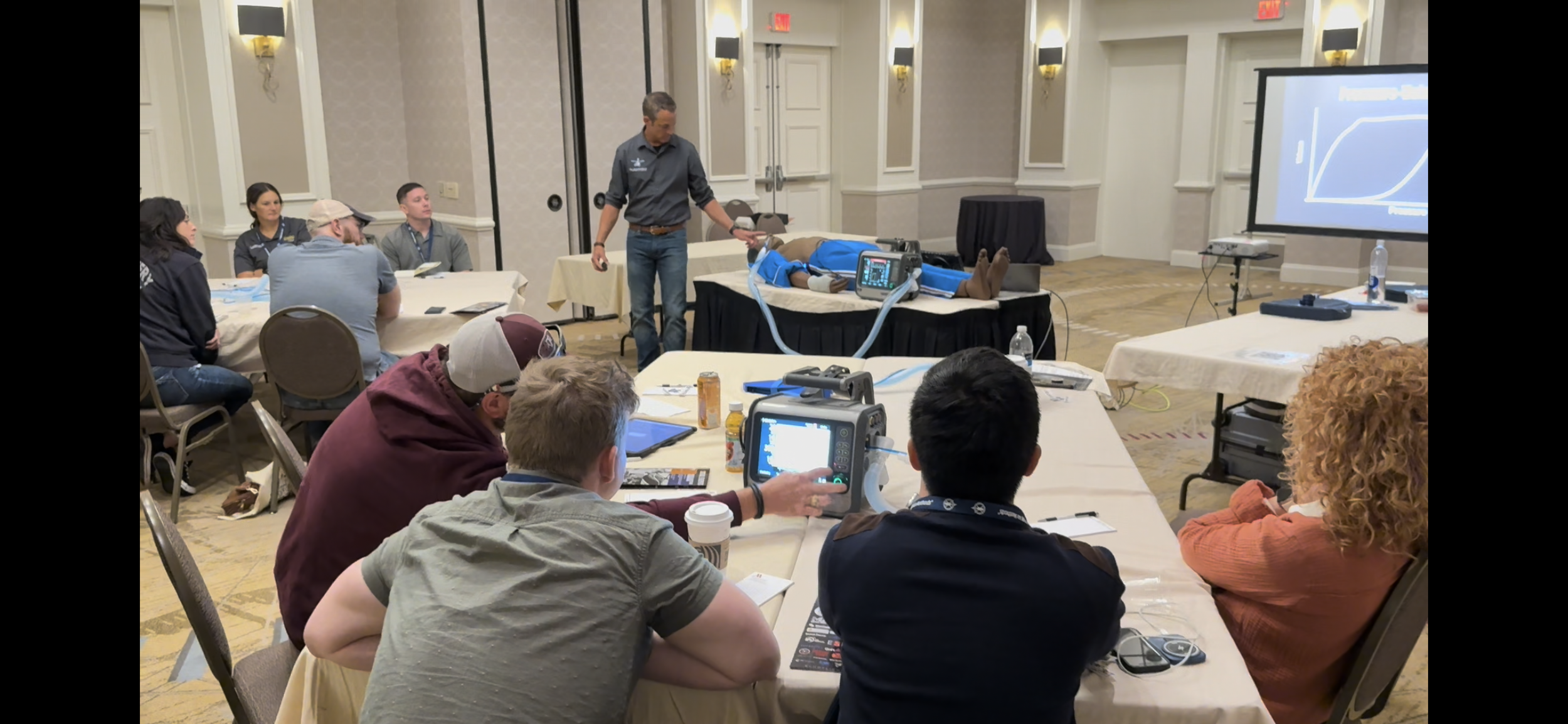
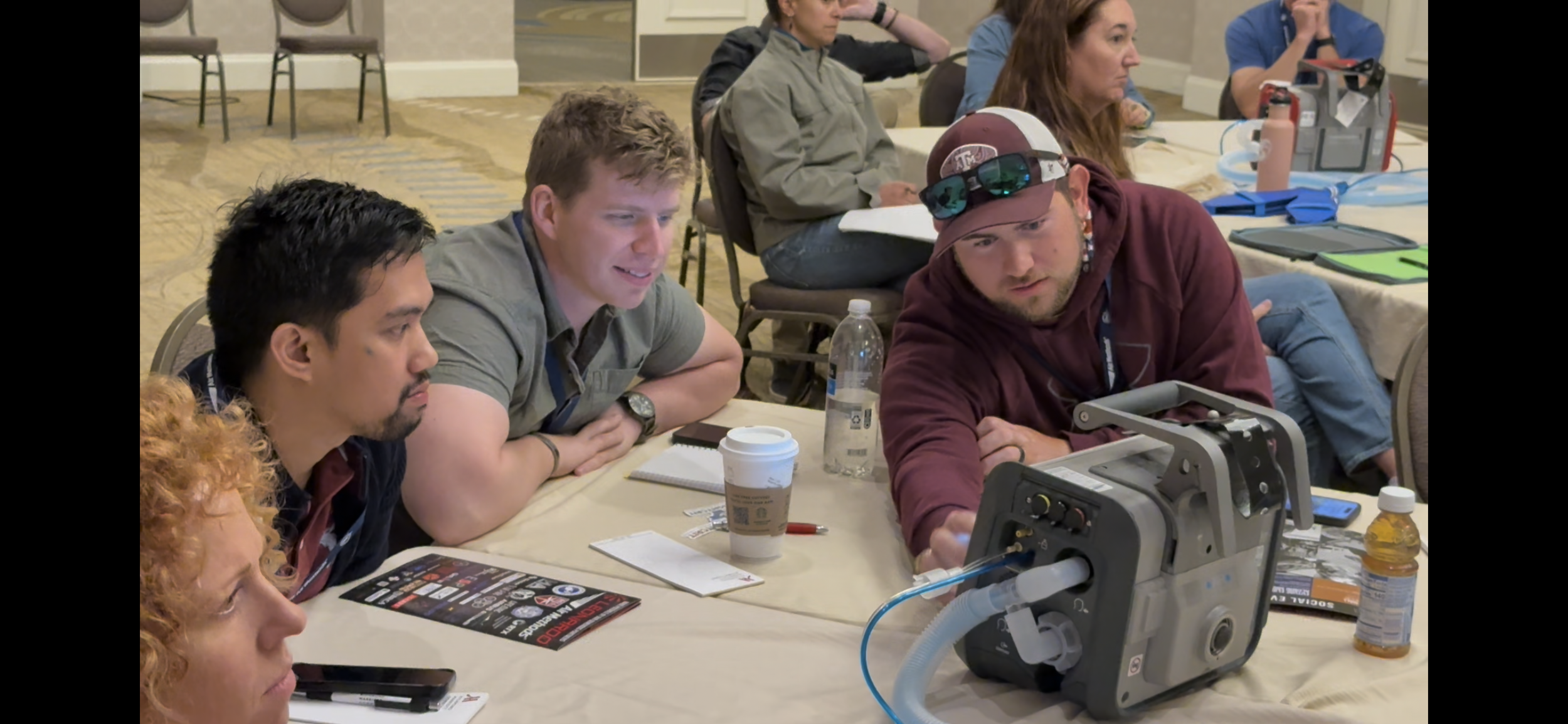
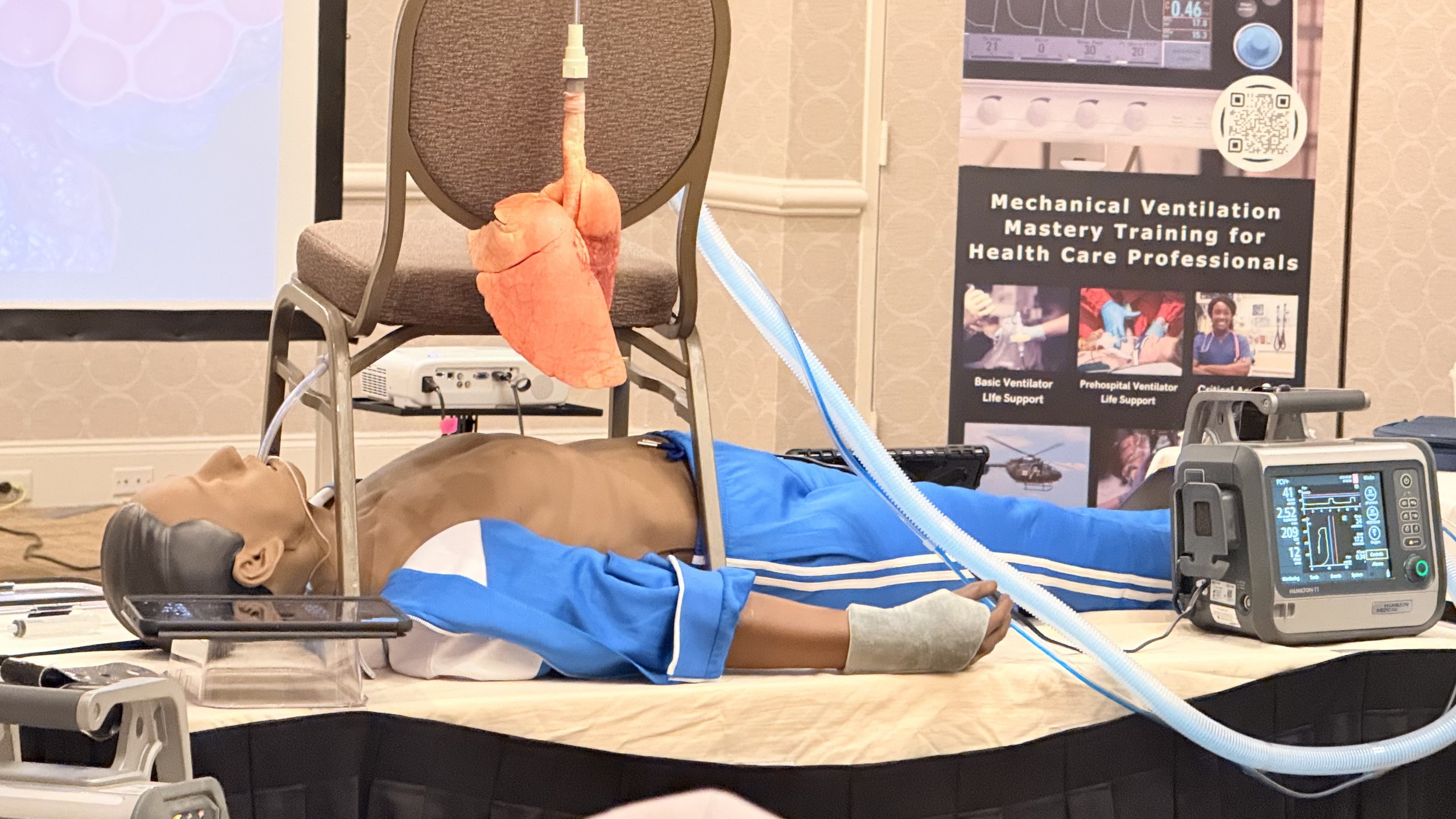
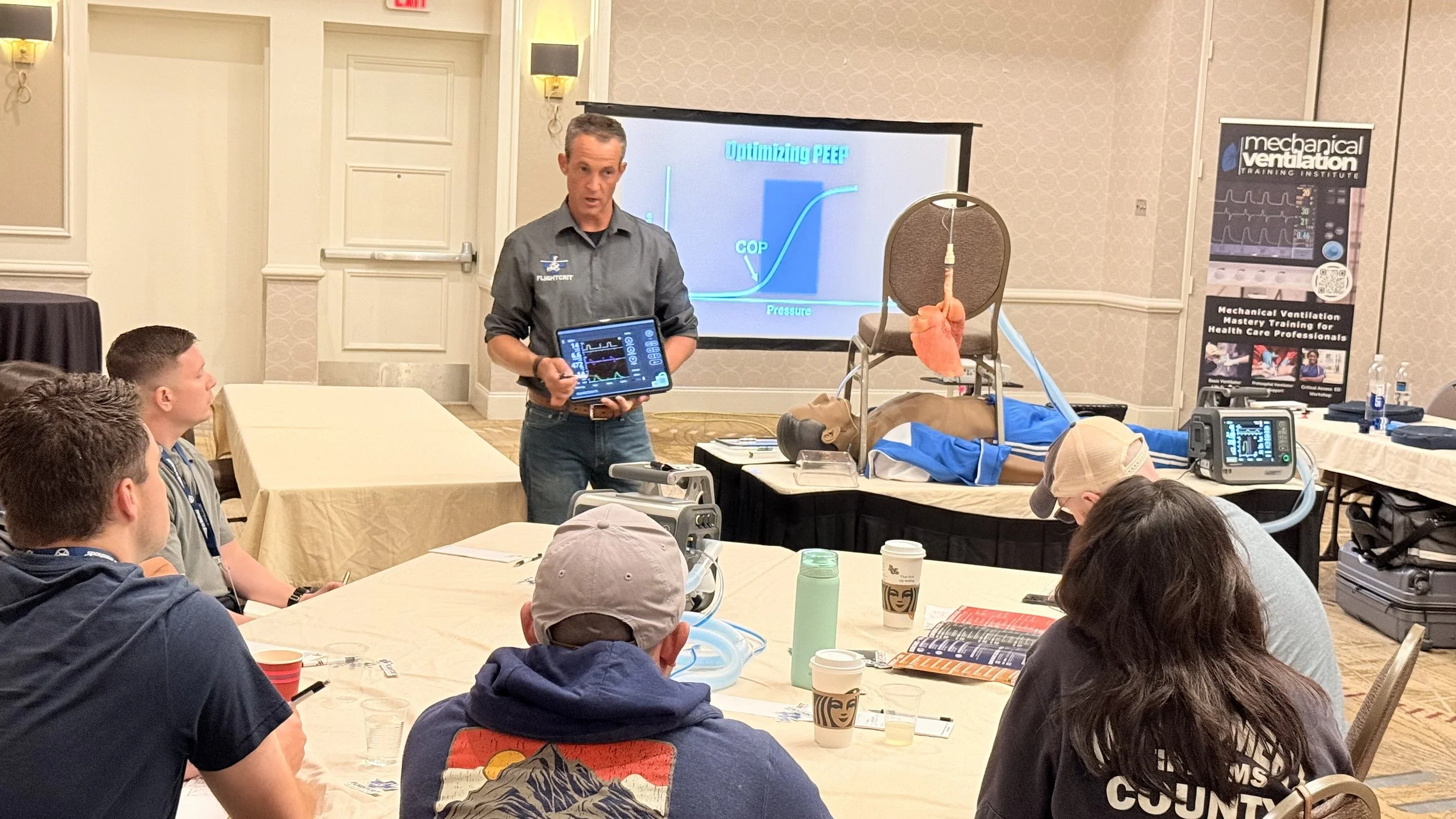
Through a combination of interactive lectures, case-based discussions, and hands-on simulation, participants will deepen their understanding of the latest evidence-based practices of mechanical ventilation and hone the skills essential delivering safe and effective care.
Course Details: $375 / student
2-Day Hands-On Workshop
Pre-test to establish a baseline for focused learning
Interactive patient scenarios
Comprehensive final exam
Downloadable study guide
Downloadable certificate of completion
Continuing education credit for EMS and Nurses.
3-year certification
It is strongly recommended that students have taken Basic Ventilator Life Support (BVLS) before this workshop.
(BVLS + AVLS Bundle available)
Continuing Education Hours
RN hours awarded through the California Board of Nursing
EMS Hours issued by FlightCritt, a Colorado State EMS Training Group.
Students are required to attend both days. Partial credit will not be awarded.
Course covers…
Review of the importance of early safe and effective mechanical ventilation.
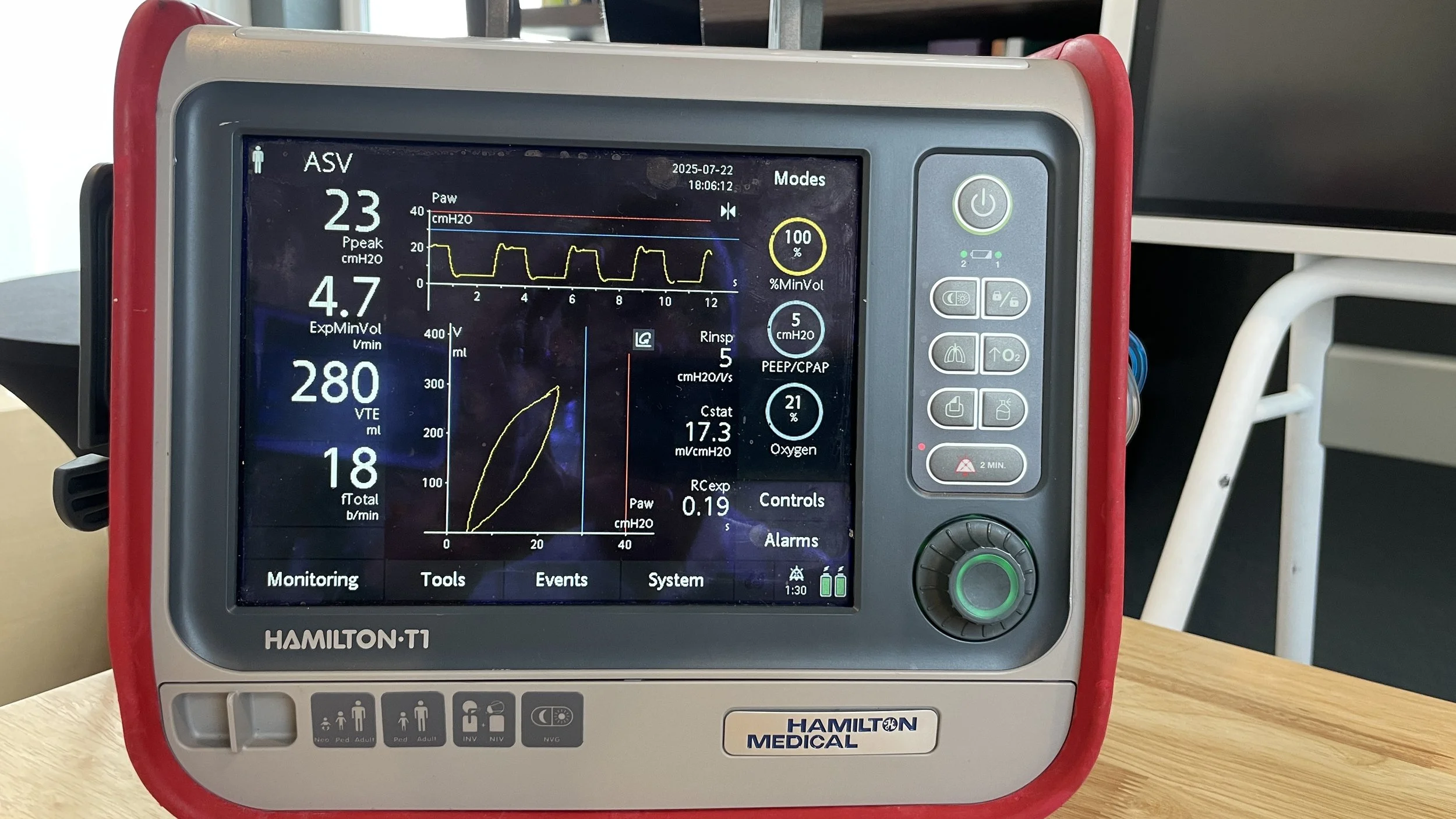
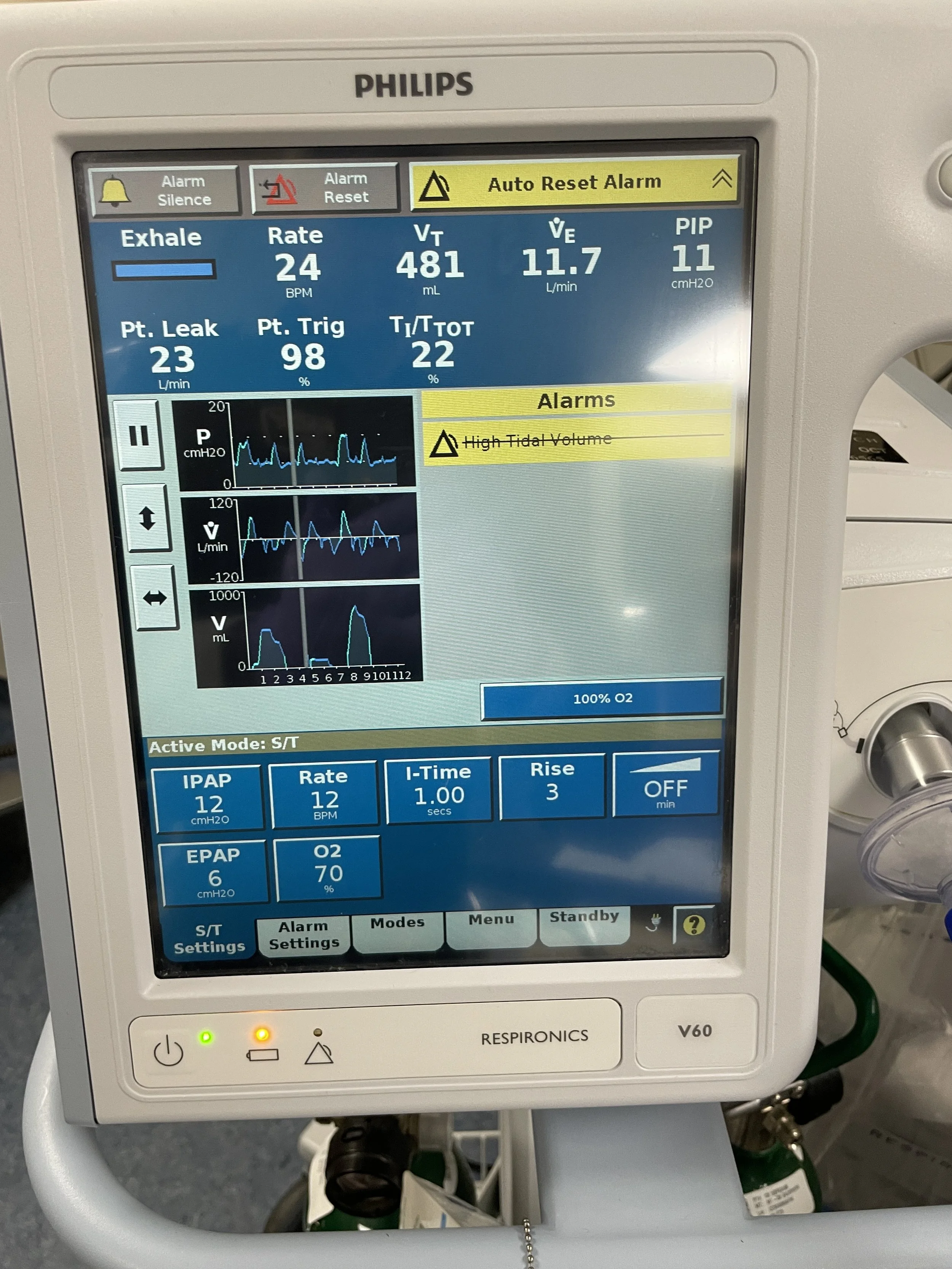
Basic and Advanced modes including PRVC, ASV, Bi-Level, APRV
Advanced patient monitoring techniques, including
Volumetric Capnography
Advanced Scalar Graphs
Pressure-Volume & Flow-Volume Loops
Lung Ultrasound*
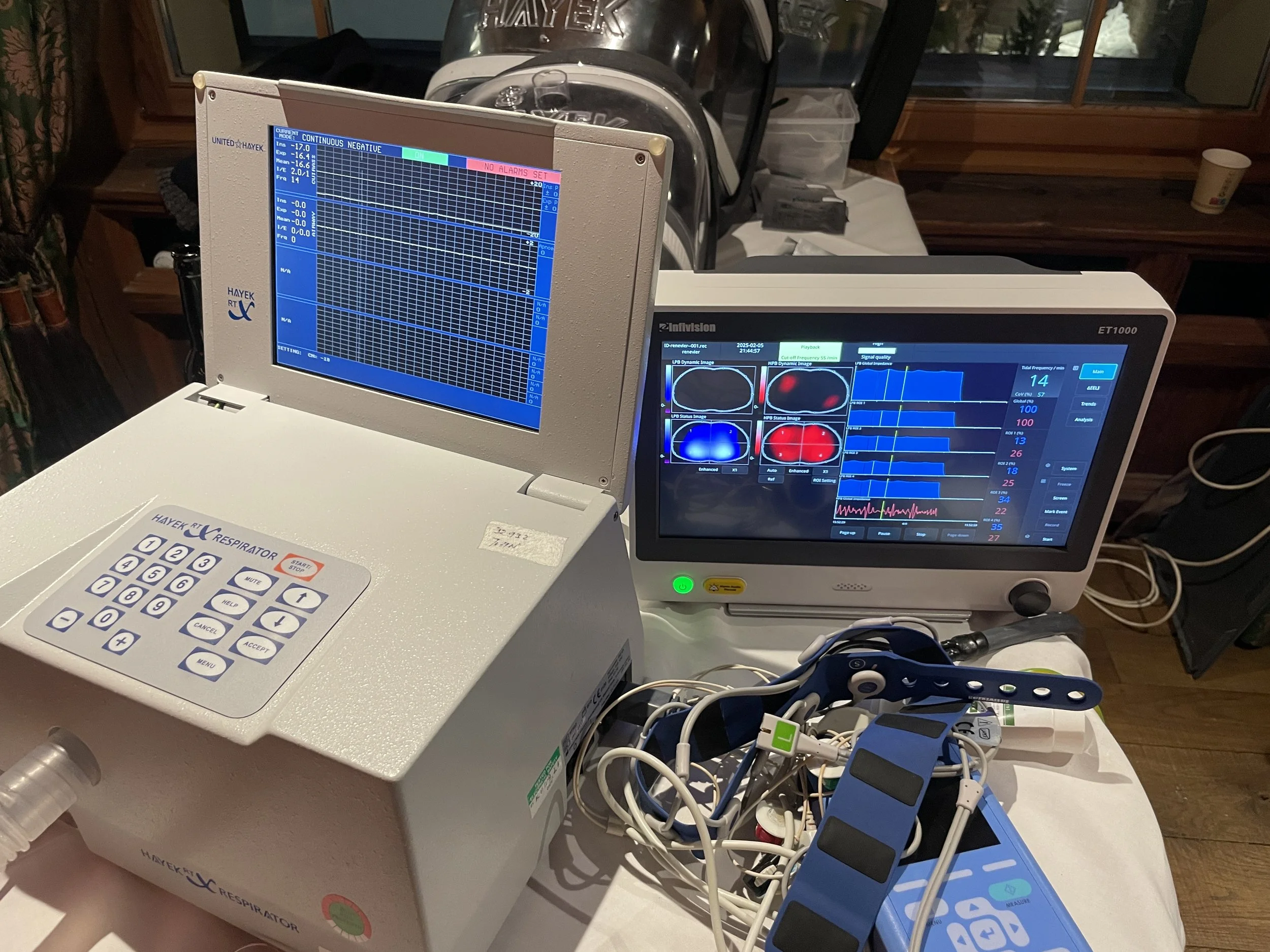
Electrical Impedance Tomography (EIT)*
How to properly recognize and respond to critical changes in lung dynamics.
Strategies for managing severe refractory hypoxia, including Optimizing PEEP / MAP, Proning, Open Lung Ventilation, and ECMO*
How to recognize and respond to problems with patient-ventilator asynchrony, hemodynamic compromise, and neurological effects.
Use of negative pressure ventilation*

Registration Fee: $375 per student*
Includes all travel expenses
Minimum class size = 12
*Fees for classes held outside the continental US may be different